

What Is Powdery Mildew?
Powdery mildew (Erysiphe necator) is one of the most significant diseases affecting grapevines worldwide and is becoming increasingly important within the UK wine industry. While many growers associate powdery mildew with the characteristic white fungal growth seen on leaves and berries, the true impact extends far beyond visible symptoms.
Poorly controlled infections can reduce yield, compromise fruit quality, delay ripening and increase the risk of secondary diseases. For premium wine producers, even relatively low levels of infection can influence wine quality, harvest logistics and overall vineyard profitability. Understanding how powdery mildew develops, why certain vineyards are more vulnerable than others and how management decisions influence disease pressure is fundamental to successful long-term control.
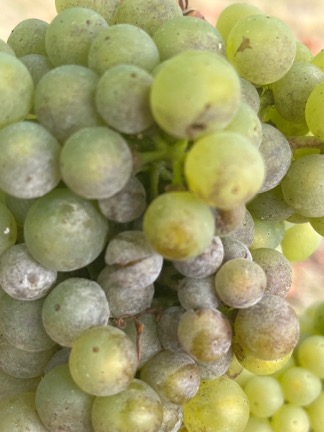
Why Powdery Mildew Matters in UK Vineyards
Powdery mildew should not be viewed simply as a disease issue. It is fundamentally a fruit quality issue.
The disease infects leaves, shoots, flowers and berries. Early infections reduce photosynthetic capacity and weaken vine performance, but the greatest economic impact typically occurs when flowers and fruit become infected.
Infected berries may develop skin damage and splitting, creating entry points for secondary diseases such as Botrytis. Fruit quality can deteriorate, ripening may become less uniform and additional sorting may be required at harvest. In premium wine production, these consequences often outweigh direct yield losses.
The costs associated with powdery mildew frequently include increased labour, reduced wine quality, delayed harvest decisions and greater production risk. For this reason, successful management should be viewed as an investment in fruit quality rather than simply disease control.
Why Powdery Mildew Is Becoming More Common in the UK
Historically, UK growers often focused on Botrytis and downy mildew due to the association with rainfall and humid conditions. However, modern English vineyards are increasingly experiencing conditions favourable for powdery mildew development.
Recent growing seasons have generally been warmer than historic averages, with longer periods spent within the optimum temperature range for disease development. Vineyard establishment has also improved significantly, resulting in larger canopies, higher yields and increased vine vigour.
The widespread planting of Chardonnay, Pinot Noir, Bacchus and Pinot Meunier has further increased the importance of powdery mildew management. These varieties often produce dense canopies and high-quality fruit where maintaining ripening potential is critical.
Unlike warmer wine regions, UK vineyards frequently operate within a narrower ripening window. Anything that reduces photosynthetic efficiency or delays ripening can have a disproportionate effect on fruit quality and harvest outcomes.
Understanding the Powdery Mildew Disease Cycle
Powdery mildew survives winter primarily as mycelium within infected buds. In spring, these buds can produce infected ‘flag shoots’, which act as an early source of inoculum. The disease may also survive as fruiting bodies on bark and vineyard debris.
As temperatures increase, spores are released and dispersed by wind throughout the vineyard. Unlike many fungal diseases, powdery mildew does not require free water on the vine surface to infect plant tissue.
Once established, the pathogen can complete multiple infection cycles throughout the growing season. Under favourable conditions, new spores may be produced every five to seven days, allowing disease pressure to build rapidly.
This explains why apparently minor infections identified early in the season can develop into significant vineyard-wide problems if conditions remain favourable.
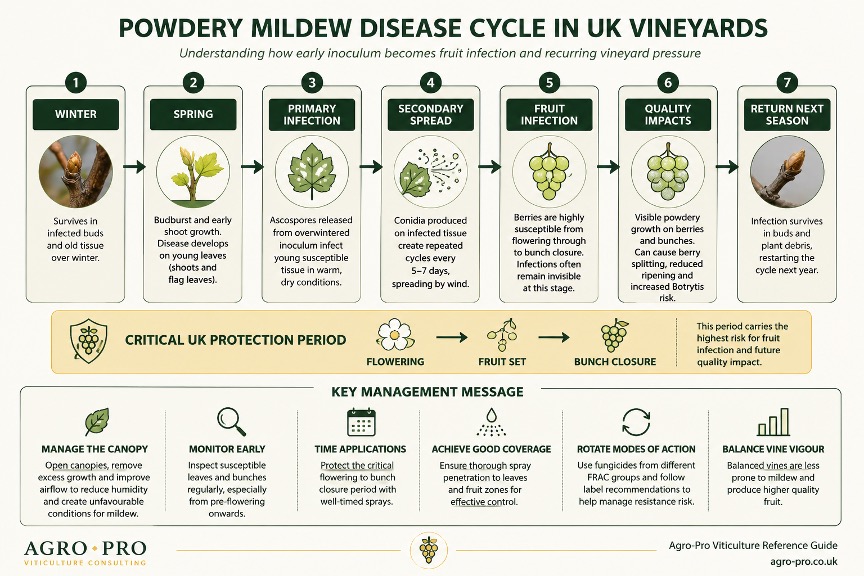
When Are UK Vineyards Most at Risk?
Powdery mildew risk changes throughout the season. While all green tissue is susceptible, the period from flowering through bunch closure is particularly important.
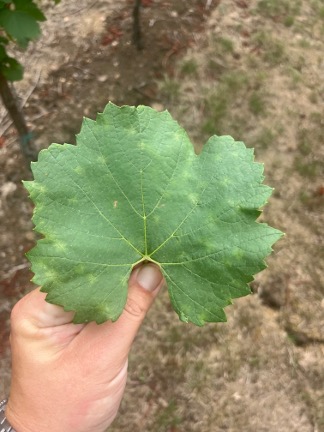
Risk generally begins to increase during rapid shoot growth in May before reaching its highest levels during flowering, fruit set and early berry development. By bunch closure, infections may already be well established if preventative management has been inadequate.
Understanding these seasonal risk periods helps growers prioritise monitoring, canopy management and fungicide applications when they are likely to have the greatest impact.
Why DO Some Vineyards Suffer More Than Others?
Weather influences disease pressure, but vineyard management often determines how severe infections become.
Dense canopies create humid, shaded environments that favour disease development and reduce spray penetration. Excessive vigour driven by fertile soils, nitrogen availability or inadequate canopy management can significantly increase risk.
Sheltered sites with restricted airflow are often more vulnerable than exposed locations. Historic infection pressure can also influence future disease development if the underlying causes remain unaddressed.
Two vineyards exposed to identical weather conditions can experience dramatically different disease pressure depending on canopy structure, airflow and management practices.
Which Grape Varieties Are Most Susceptible?
Varietal susceptibility can influence powdery mildew risk, although site conditions and canopy management usually remain more important than variety alone.
Chardonnay, Pinot Noir and Pinot Meunier frequently require close attention due to their tendency to produce dense canopies and tightly clustered fruit. Bacchus can also experience significant disease pressure where vigour is high.
Ultimately, vineyard conditions determine whether varietal susceptibility becomes a practical problem. Well-managed canopies are generally easier to protect regardless of variety.
The Critical Flowering to Bunch Closure Period
The period from flowering through bunch closure represents the most important stage for powdery mildew management.
Flowers and young berries are highly susceptible to infection, and disease established during this period can remain hidden before becoming visible later in the season. By the time symptoms become obvious, significant damage may already have occurred.
Preventative management during this window is therefore essential. Growers who successfully protect vines during flowering and early berry development often avoid many of the problems that become apparent closer to harvest.
Canopy Management: The Most Underrated Fungicide
Many mildew problems begin as canopy management problems.
Practices such as shoot thinning, tucking-in, trimming and strategic leaf removal improve airflow, increase sunlight penetration and reduce humidity within the canopy. These measures also improve spray coverage and fungicide efficacy.
A well-structured canopy can significantly reduce disease pressure while improving fruit quality and ripening potential. In many situations, investment in good canopy management delivers greater returns than simply increasing fungicide inputs.
What I Look For During Vineyard Visits
When assessing mildew risk, I am often less concerned about the visible presence of disease than the conditions that encourage it.
Dense canopies, vigorous patches, excessive lateral growth, poor shoot positioning and shaded fruit zones are all indicators that disease pressure may increase later in the season.
Areas where bunches are difficult to see or where airflow is restricted typically warrant closer inspection. Identifying these risk factors early allows management decisions to be made before disease becomes established.
How to Monitor and Detect Powdery Mildew Early
Regular crop walking remains one of the most effective tools available to vineyard managers.
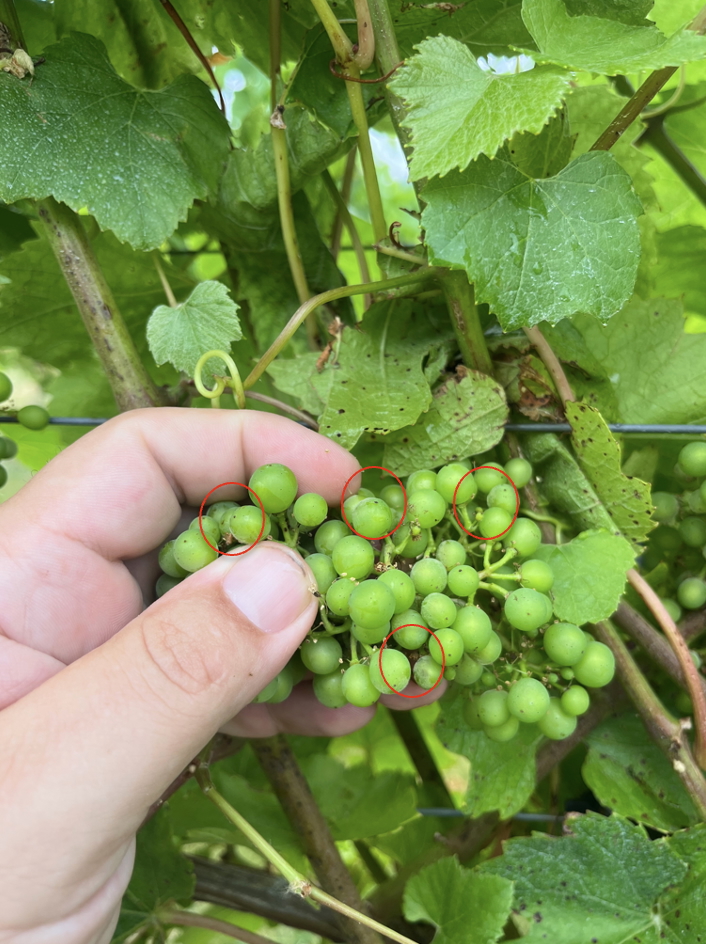
Particular attention should be paid to vigorous areas, sheltered sections, historically affected blocks and dense canopy zones. Basal leaves and developing fruit clusters often provide the earliest indications of disease development.
Monitoring should focus not only on identifying symptoms but also on recognising the conditions that favour infection. This proactive approach creates opportunities for intervention before disease pressure escalates.
Fungicide Resistance Management
Powdery mildew has demonstrated an ability to develop resistance to fungicides worldwide, making resistance management an important component of long-term control.
Repeated use of the same mode of action increases selection pressure and can reduce efficacy over time. Product rotation, maintaining diversity of chemistry and avoiding over-reliance on individual active ingredients remain important principles.
Coverage and timing are equally important. Even highly effective fungicides will struggle to perform if sprays fail to penetrate dense canopies or are applied after infection has become established. Speak with your agronomist if you are unsure of products mode of action and how they should be rotated.
Integrated Disease Management
Successful powdery mildew control relies on an integrated approach rather than a single intervention.
The most effective programmes combine canopy management, regular monitoring, preventative fungicide applications, resistance management and careful timing.
By addressing the conditions that favour disease development while maintaining appropriate protection during critical growth stages, growers can significantly reduce the likelihood of severe outbreaks.
Key Takeaways
- Powdery mildew is fundamentally a fruit quality issue rather than simply a disease issue.
- The disease is becoming increasingly important in modern UK vineyards.
- Flowering to bunch closure remains the most critical period for control.
- Canopy management is one of the most effective disease management tools available.
- Long-term success depends on integrating monitoring, canopy management and fungicide resistance management.
Summary
Powdery mildew is unlikely to disappear from UK viticulture. As vineyards mature and growing seasons continue to warm, understanding the relationship between vine growth, canopy architecture and disease pressure will become increasingly important.
Successful mildew management is rarely about finding the perfect fungicide. More often it is about understanding vine growth, canopy architecture, spray timing and disease risk before symptoms appear. The vineyards that consistently achieve the best results tend to be those that integrate these factors rather than relying on reactive treatments. By combining sound vineyard management with effective monitoring and preventative control strategies, growers can protect both fruit quality and long-term vineyard performance.
If you would like a vineyard-specific assessment of powdery mildew risk, explore our vineyard consultancy services.
Frequently Asked Questions
What causes powdery mildew in vineyards?
Powdery mildew is caused by the fungal pathogen Erysiphe necator, which infects grapevine leaves, shoots, flowers and fruit.
What are the first signs of powdery mildew?
Early symptoms include white powdery growth on leaves, shoots or berries, reduced leaf health and poor fruit development.
When is powdery mildew most likely to infect grapevines?
The highest-risk period is typically from flowering through bunch closure when flowers and young berries are highly susceptible.
Can powdery mildew affect wine quality?
Yes. Powdery mildew can reduce fruit quality, delay ripening, increase berry splitting and raise the risk of secondary infections such as Botrytis.
How can growers reduce powdery mildew pressure?
Integrated management including canopy management, monitoring, airflow improvement and preventative fungicide programmes provides the best results.
To read more about diseases in english vineyard, check out our blog